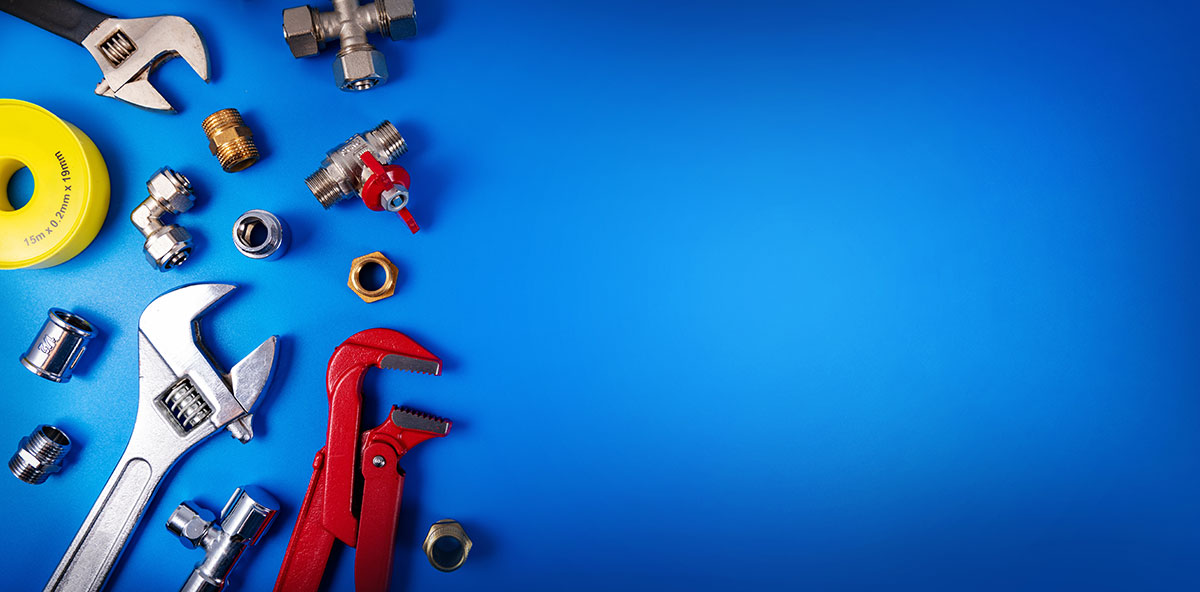
Why Tools Matter More Than People Think
When most people think about plumbing, they think about pipes, leaks, and repairs. What they do not always see is the role that tools play in getting the job done right. In my experience, the tools you use can make a major difference in both the quality of the work and the efficiency of the process.
Early in my career, I worked with basic equipment. At the time, I believed that skill alone was enough. While skill is critical, I quickly learned that the right tools support that skill and allow you to perform at a higher level. Without proper equipment, even experienced technicians can face unnecessary challenges.
Tools are not just accessories in this trade. They are essential to delivering consistent and reliable results.
The Connection Between Tools and Quality
Quality work starts with precision. In plumbing, precision is everything. Whether you are cutting pipe, tightening connections, or diagnosing an issue, accuracy matters.
The right tools allow for that level of precision. A clean cut, a secure fitting, and a properly sealed connection all depend on using equipment designed for the job. When tools are worn out, outdated, or not suited for the task, the quality of the work can suffer.
I have always believed that if you are going to do a job, you should do it right the first time. Investing in high quality tools helps make that possible. It reduces the margin for error and ensures that the final result meets professional standards.
Efficiency on the Job
Time is a major factor in plumbing. Clients expect problems to be resolved quickly, but they also expect the work to be done correctly. Balancing speed and quality is where the right tools make a difference.
Using the proper equipment allows jobs to be completed more efficiently. Tasks that would take longer with basic tools can be done faster and with greater accuracy. This does not mean rushing through the work. It means eliminating unnecessary delays and complications.
Efficiency also impacts the overall workflow. When technicians have the right tools, they can move from one task to the next without interruption. This keeps projects on schedule and improves the overall experience for the client.
Reducing Risk and Preventing Mistakes
Plumbing work involves risk. A small mistake can lead to leaks, water damage, or costly repairs. Using the right tools helps reduce that risk.
Proper equipment allows for better control and more reliable results. It minimizes the chances of damaging materials or creating weak connections. In many cases, the difference between a successful job and a callback comes down to attention to detail and the tools used to execute the work.
I always remind my team that tools are part of the process of protecting both the client and the business. When you use the right equipment, you reduce the likelihood of errors and build confidence in the work being done.
Investing in the Right Equipment
One of the most important decisions in this field is choosing where to invest. Quality tools are not always cheap, but they are worth it. They last longer, perform better, and support higher standards of work.
I see tools as an investment, not an expense. They contribute directly to productivity and reputation. A business that prioritizes quality equipment is better positioned to deliver consistent results and maintain client trust.
At the same time, it is important to maintain and care for those tools. Regular maintenance, proper storage, and timely replacement ensure that equipment continues to perform at a high level. Neglecting tools can lead to inefficiencies and avoidable problems.
Training and Familiarity
Having the right tools is only part of the equation. Knowing how to use them properly is just as important. Training plays a key role in maximizing the value of equipment.
I work with my team to ensure they are comfortable and confident using every tool available to them. This includes understanding when to use specific equipment and how to handle it safely and effectively.
Familiarity with tools improves speed and accuracy. It allows technicians to focus on solving the problem rather than figuring out the equipment. Over time, this leads to better performance and more consistent results.
Adapting to New Technology
The plumbing industry continues to evolve, and new tools and technologies are constantly being introduced. Staying current with these advancements is important for maintaining efficiency and competitiveness.
Modern equipment can improve diagnostics, reduce labor time, and enhance accuracy. While traditional tools still have their place, embracing new technology allows for better service and improved outcomes.
I make it a point to stay informed about new tools and evaluate how they can benefit the work we do. Adapting to change is part of maintaining high standards and delivering value to clients.
The tools of the trade are a critical part of plumbing. They support quality, improve efficiency, and reduce risk. While skill and experience are essential, the right equipment allows those strengths to be fully realized.
In my experience, investing in proper tools is one of the best decisions a professional can make. It reflects a commitment to doing the job right, respecting the client, and maintaining high standards.
At the end of the day, tools are more than just equipment. They are an extension of the work we do. When used correctly, they help turn effort into results and ensure that every job meets the level of quality that clients expect and deserve.